There are mornings when you want pancakes that feel like breakfast, not dessert. Something warm and satisfying, not a sugar crash waiting to happen. Flourless cottage cheese pancakes hit that mark. They’re naturally gluten-free, high in protein, and, when you dial in the method, they deliver a tender, custardy interior with crisp edges that hold a drizzle of maple or a spoon of berries without collapsing. The tradeoffs are real, but manageable: you give up the cake-like fluff of diner pancakes in exchange for substance and staying power. If you’ve ever had two traditional pancakes at 7 a.m. and found yourself ravenous by 10, this is your fix.
I’ve cooked a lot of versions, from blender batters that lean eggy to grain-free stacks fortified with nut flour. The base idea stays the same: you swap out wheat flour and rely on the protein matrix from eggs, the curds in cottage cheese, and just enough starch or alternative binder to hold everything together. Once you understand why these ingredients behave the way they do, you can steer the texture toward fluffy or custardy, boost or mute tang, and make the batter play nicely on a weekday skillet rather than just in aspirational recipe photos.
What makes them work, and where they go wrong
Cottage cheese carries two jobs in this recipe. The curds add moisture and tiny pockets of tenderness, and the dairy proteins firm up as they heat, giving structure without flour. Eggs act as the main framework, especially the whites, which set into a stable network that traps steam and lifts the pancake. A binder, often a small amount of starch or nut flour, fills the gaps and stops the pancake from behaving like a soufflé that deflates on contact with reality.
The failure modes are predictable. If your cottage cheese is too wet, the pancakes sprawl and cook into omelet territory. If you skip a binder, the edges tear when you flip. If you cook too hot, the outside scorches while the center stays soft and damp. All are fixable, but it helps to know which lever to pull rather than trying three tweaks at once and wondering why you’re eating scrambled batter.
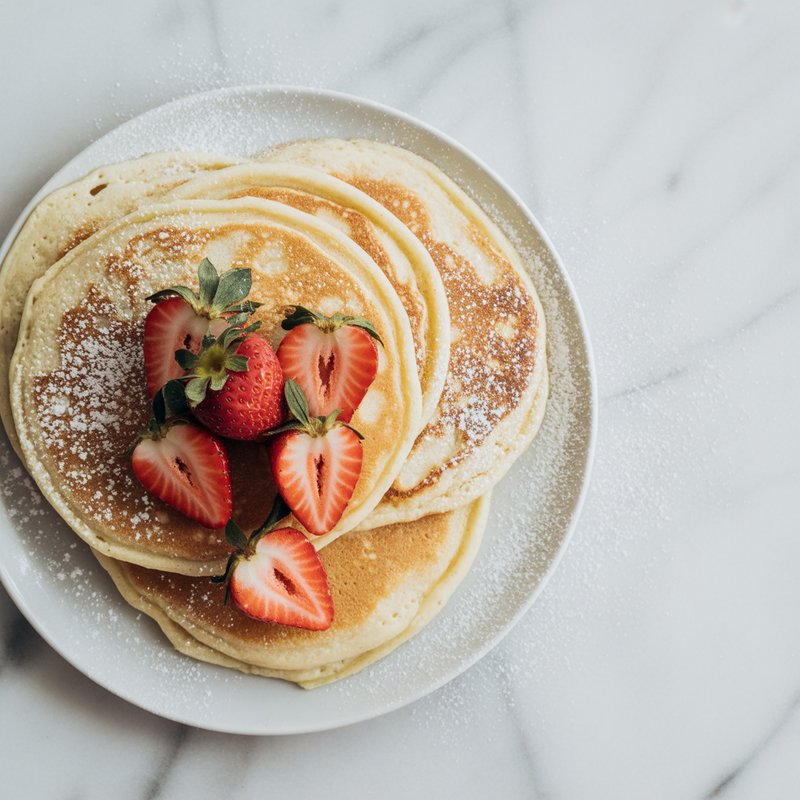
A baseline recipe that can flex
Here’s a version that balances protein, structure, and tenderness without relying on wheat. It uses cornstarch as the binder for neutral flavor, but almond flour or oat flour work if you want a heartier profile. This batch makes roughly 8 medium pancakes, enough for 2 hungry adults or 3 modest appetites.
Ingredients
- 1 cup full-fat cottage cheese (small curd preferred), packed 3 large eggs, room temperature 1 tablespoon honey or maple syrup 1 teaspoon vanilla extract 1/2 teaspoon fine salt 3 tablespoons cornstarch (or 1/3 cup very finely ground almond flour, or 1/4 cup certified gluten-free oat flour) 1 teaspoon baking powder 1/2 teaspoon cinnamon, optional Butter or neutral oil for the pan
Method
- Drain the cottage cheese lightly. If it looks very wet, scoop it into a fine mesh sieve and let it sit for 5 to 10 minutes. You’re not drying it out completely, just taking the edge off the excess whey. Blend the wet base. Add drained cottage cheese, eggs, honey, vanilla, and salt to a blender. Blend 10 to 20 seconds until mostly smooth. Some tiny curds are fine, they become pleasant flecks. Add dry components. Sprinkle in cornstarch and baking powder, plus cinnamon if using. Pulse 3 to 4 times just to combine. The batter will be pourable but not thin. Let it sit 5 minutes, which hydrates the starch and lets bubbles settle for more even cooking. Preheat the skillet well. Heat a nonstick skillet or well-seasoned griddle over medium to medium-low for 3 to 5 minutes. Lightly grease. If a drop of batter whispers, not sizzles loudly, when it hits the pan, you’re at the right temp. Cook small to medium rounds. Pour batter into 3 to 4 inch circles. Cook until the edges look set and the surface shows small bubbles with slightly dry rings, 2 to 3 minutes. Flip gently with a thin spatula and cook another 1 to 2 minutes. Adjust heat down if they brown too fast. Hold warm on a low oven rack (200°F) while you finish the batch. Serve with berries, yogurt, and a little maple, or go savory with smoked salmon and chives.
The cornstarch gives a clean, custard-leaning pancake with crisp edges. Almond flour skews richer and slightly cakier. Oat flour yields a wholesome chew and more breakfast-y oat flavor, though it ceases to be grain-free, so consider your needs.
Texture, protein, and satiety: how the ratios change the outcome
If your goal is staying full through a late-morning meeting, protein and fiber are doing the heavy lifting. This recipe hits around 13 to 18 grams of protein per serving, depending on cottage cheese brand and portion size, with modest carbs. If you replace cornstarch with almond flour, you add fat and a bit of fiber, which often translates to longer satiety and a softer crash curve. If you go with oat flour, you add beta-glucan and soluble fiber, which, for some people, keeps hunger at bay without adding heaviness.
Egg count matters. Three eggs per cup of cottage cheese gives a firm, cohesive pancake. If you prefer fluff, two eggs and an extra tablespoon of starch plus a splash of milk can help, but you’ll lose some protein and the pancake becomes more fragile. For those who find the texture too custardy, fold in 2 to 3 tablespoons of very fine almond flour in addition to the starch, not instead of it. That change alone tames the wobble.
Salt and sweetness are not optional in my kitchen, even in savory versions. A half teaspoon of salt in the batter is what makes the pancakes taste breakfast-ready instead of hospital food. Honey or maple, even at a tablespoon, rounds out the dairy tang without pushing the stack into dessert territory.
How to avoid the soggy middle
The two culprits for wet centers are pan heat and batter moisture. Most home cooks run the stove hotter than they think on pancakes because we grew up watching pancakes sizzle. Flourless batter burns sooner, so you need a calmer, steadier heat to let the interior set.
Take the pan’s temperature seriously. A reliable cue is the first pancake. If it goes deep brown in under 90 seconds, you’re too hot. Drop the flame and wait a minute before continuing. You want a gentle sizzle, not a loud hiss. Gas stoves vary wildly, and electric coils hold heat longer than you think, so a two-burner shuffle can help on big batches: cook on one set to medium-low, then move the pan to the other burner dialed even lower for subsequent flips.
On moisture, brands vary. Some cottage cheeses look like thick ricotta, others like https://blazedxkxj613.lowescouponn.com/high-protein-cottage-cheese-pizza-bowl-recipe curds floating in milk. If yours is wet, drain. If it is very dry, you might add a tablespoon of milk to help the batter pour. You’re aiming for the viscosity of sour cream that just barely runs.
Finally, pancake diameter matters. Four-inch rounds are manageable and bake through without scorching. Six-inch pancakes look nice but double the risk of a raw middle unless you slow down.
A weekday scenario: fast, practical, and still good
You have two kids to get out the door, and someone needs protein. You also have ten minutes, not thirty. Here’s how I structure that morning so breakfast happens without stress.
I keep a jar of the dry mix ready: 1 cup cornstarch, 2 teaspoons baking powder, 2 teaspoons cinnamon, 2 teaspoons fine salt. That mix is enough for three batches. On a Monday, I add 1/3 of the jar to the blender with a cup of cottage cheese, three eggs, and a tablespoon of maple. While the pan preheats, I pour two pancakes at a time, three inches across. The first round goes to the hungriest kid with yogurt and thawed frozen blueberries on top. I slide the next batch right behind it. Leftover batter goes into the fridge and thickens slightly by tomorrow, which isn’t a problem. The second day’s pancakes cook even cleaner because the starch has hydrated. No one at the table cares that we ate something similar yesterday because I switch toppings to sliced bananas and peanut butter.
The point is not to show off multitasking. It’s to show that the friction point is preparation, not cooking skill. Once you pre-mix dry ingredients and know your pan’s temperament, these pancakes are as fast as toast with toppings but far more satisfying.
Dialing up or down the dairy tang
Some people love the lactic tang of cottage cheese, others tolerate it. A few simple moves adjust the flavor without derailing the structure.
- For a gentler profile, use small curd, full-fat cottage cheese and blend until smooth. The fat softens the edge, and a smoother base tastes less assertive. A teaspoon of vanilla and a half teaspoon of cinnamon help too. For a pronounced tang that mimics cultured buttermilk, add a tablespoon of yogurt to the blender and reduce maple by a teaspoon to keep sweetness in check.
Do not go fat-free on the cottage cheese unless calories are the primary constraint. Fat-free versions are often stabilized with gums and have more watery whey, which increases spread and stickiness. If fat is a concern, you can use low-fat as long as you drain very well, then add a teaspoon of neutral oil to the batter so the pancakes release from the pan and the mouthfeel isn’t chalky.
Gluten-free cross-contamination and ingredient checks
If you’re cooking for someone with celiac disease or a clinically diagnosed gluten intolerance, treat “gluten-free” as a process, not just a label on a bag. Cornstarch should be labeled gluten-free. Oat flour must be certified gluten-free, since oats are commonly processed in facilities that handle wheat. Baking powder is usually safe, but read the label to avoid brands that use wheat starch or have unclear manufacturing environments. Keep a dedicated pancake spatula and whisk if your kitchen sees a lot of regular flour, and wipe the counter before you start. It seems fussy until you watch a reaction flare up from contamination.
Variations that behave, not just sound clever
The baseline is flexible. A few proven riffs:
Savory chive and pepper pancakes: Skip the vanilla and cinnamon. Reduce maple to 1 teaspoon. Fold in 2 tablespoons minced chives and a pinch of black pepper after blending. Serve with smoked salmon, lemon zest, and a dot of crème fraîche. If you tend to run hot on salt, pull back to 3/8 teaspoon since the salmon brings plenty.
Banana-almond breakfast stack: Swap cornstarch for almond flour and add half a very ripe banana to the blender. The banana makes the interior more custardy. Keep pancakes small, and extend cook time on low heat by 30 to 60 seconds per side to compensate for the extra moisture. Toasted sliced almonds on top add contrast.
Pumpkin-spice autumn version: Add 1/3 cup canned pumpkin and increase cornstarch by 1 tablespoon. Add 1 teaspoon pumpkin spice. Cook low and slow, and consider a lid for the first minute to trap heat and set the top quicker.
Lemon-ricotta vibe without ricotta: Add 2 teaspoons lemon zest and a squeeze of lemon juice. Increase starch by a teaspoon to offset the extra acid. This brightens the cottage cheese and pairs with a blueberry compote.
Chocolate chip treat: Stir in 2 tablespoons mini chocolate chips after blending. Keep the chips small so they don’t tear the pancakes when flipping. Pair with a tart yogurt to balance the sweetness.
These are friendly to play with, but change one variable at a time, especially when moisture and sugar enter the picture. Sugar browns faster, and water delays setting, so the pan needs downshifting.
Gear choices, pan management, and flipping cleanly
You do not need specialty gear, but small details separate neat rounds from ragged ovals.
A nonstick skillet gives the easiest release. A well-seasoned cast iron griddle also works if it is truly well seasoned and you use a small amount of fat. Stainless steel is a hard sell here, even for experienced cooks, because the batter doesn’t contain the gluten and sugar that help release and brown. If stainless is your only option, preheat longer, use a bit more oil, and accept that the first pancake is a sacrifice to the pan gods.
On portioning, a quarter-cup measure creates consistent pancakes that cook at the same rate. If you want snack-sized rounds for lunchboxes, two tablespoons of batter per cake is ideal, and they freeze better.
Use a thin, wide spatula. You’re not flipping a burger. Slide the spatula under two-thirds of the pancake, lift slightly, then pivot your wrist to flip without throwing the round. If the spatula doesn’t slide easily, wait 15 to 20 seconds. This batter sets quickly once ready, and a clean release is a better signal than the clock.
If you’re cooking for a crowd, a griddle at a steady 325 to 350°F is your friend. Rotate pancakes around the hot spots. Keep a low oven ready so you’re not serving cold pancakes to the last person.
Make-ahead, leftovers, and freezing
Batter holds 24 hours in the refrigerator, sometimes up to 36 if you used cornstarch and kept your blender cold. It may thicken; stir in a teaspoon or two of milk or water to restore the pour. Pancakes themselves keep well in the fridge for 3 days. For freezing, cool completely on a rack, then stack with parchment between layers and seal in a freezer bag with most of the air pressed out. Reheat in a toaster oven at 325°F for 6 to 8 minutes, or straight in a dry skillet on medium-low until warm and re-crisped. Microwaves are fast but they soften the edges, which defeats half the pleasure.
If you’re meal prepping, make them small. They reheat more evenly and feel like a treat when you can grab two or three and still hit a sensible calorie target.
Nutrition expectations, not promises
Numbers vary by brand and exact swaps, but here’s a realistic ballpark for a stack of four medium pancakes made with cornstarch, full-fat cottage cheese, and three eggs, cooked in a teaspoon of butter. You’re in the range of 400 to 550 calories, 35 to 45 grams of protein, 25 to 35 grams of carbs, and 20 to 28 grams of fat. If you go almond flour instead of cornstarch, expect similar calories, slightly more fat and fiber, and fewer carbs. Oat flour nudges carbs and fiber up, fat down. Toppings swing the math more than batter tweaks, so pair maple with something acidic or protein-rich to keep blood sugar in a range that feels steady. A spoon of Greek yogurt and fresh berries is the low-drama combination most people stick with after trying three fancier options.
Troubleshooting by symptom
When someone messages me with a photo of pancakes that look more like eggs, I work backward from the evidence. You can do the same at home.
- If they spread into thin puddles that brown in seconds, you either used too much heat or too much moisture. Lower the flame and drain the cottage cheese next time. Adding one extra tablespoon of starch to the remaining batter will help mid-batch. If they taste rubbery, that’s usually overcooking or too much egg relative to binder. Drop the heat and shorten cook time by 20 to 30 seconds per side. Alternatively, swap one tablespoon of starch for a tablespoon of almond flour for the next round. If they crumble when flipping, the batter is underbound or you flipped too early. Wait for the matte ring around the edges before flipping, and consider adding a teaspoon more starch to the bowl. If they stick, the pan wasn’t hot enough or wasn’t properly greased. Preheat longer and use a fresh thin smear of butter or oil between batches.
Once you nail the pattern, the adjustments become second nature. The first pancake becomes your test balloon rather than your only chance.
Serving ideas that keep you full
You can turn these into a complete breakfast without leaning on sugar. Three combinations that hold up well:
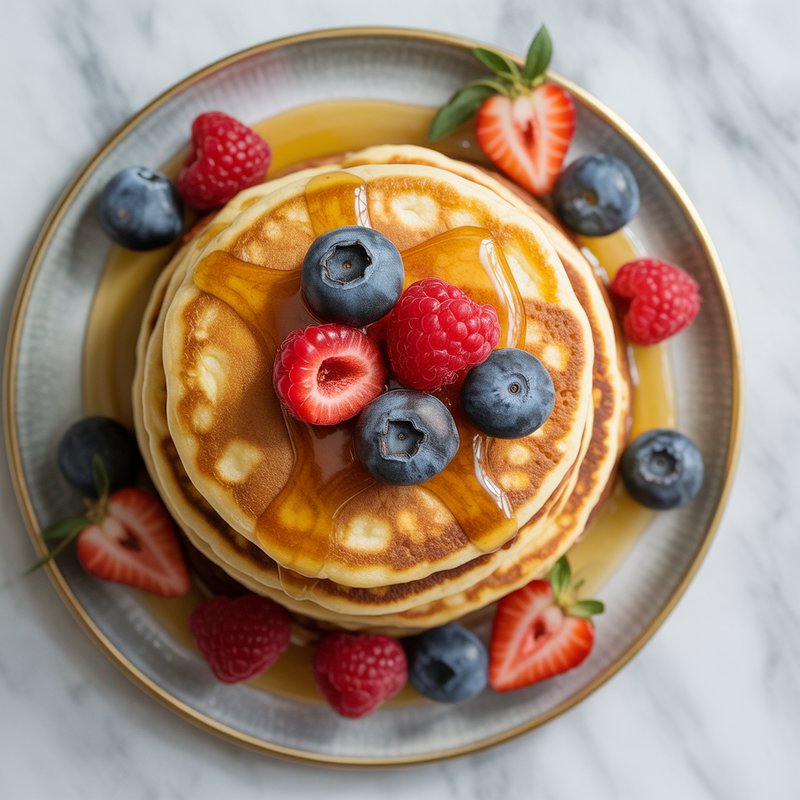
- Yogurt, cinnamon, and stewed apples. Peel and slice an apple, cook it in a small pan with a tablespoon of water, a pinch of cinnamon, and a few drops of lemon until soft. Spoon over a stack with a dollop of plain yogurt. If you want a hint of sweetness, use a teaspoon of maple on top, not in the batter. Avocado, smoked paprika, and a fried egg. Keep the pancake unsweetened, rub a cut clove of garlic lightly over the top after cooking, then layer slices of avocado and a soft fried egg. Finish with smoked paprika, salt, and a squeeze of lemon. Peanut butter and jam, grown-up version. Spread warm pancakes with natural peanut butter, add a spoon of quick berry compote made by microwaving frozen berries for 45 seconds, and finish with a sprinkle of flaky salt.
These work because they balance richness, acid, and a touch of sweetness so you stay satisfied without needing a nap at 10 a.m.
A note for athletes and anyone tracking macros
If you’re training early or fueling for a long run, you can tune the macros without losing texture. Replace one whole egg with two whites to lower fat while keeping structure. Add 15 to 20 grams of unflavored whey isolate to the blender, then increase liquid by 1 to 2 tablespoons to compensate. Protein powders change browning, so lower the heat slightly and watch the first pancake closely. For quick carbs, serve with banana slices and a drizzle of honey. If you’re lifting later and want slower release, choose almond flour over cornstarch and go with Greek yogurt and berries.
When to skip cottage cheese pancakes entirely
There are mornings when this is the wrong choice. If you need big, lofty diner-style pancakes that soak up syrup for a crowd that equates pancakes with nostalgia, you’ll invite comparisons you cannot win. Make traditional pancakes and serve eggs on the side. If your cottage cheese is very old or separated and sour, do not try to save it in batter. And if you are sensitive to lactose, even small amounts, consider lactose-free cottage cheese or switch to a similar approach using ricotta, which some people tolerate better, keeping in mind that ricotta has less tang and slightly different moisture, so you’ll likely need an extra tablespoon of starch.
One last practical shortcut
If you don’t own a blender or hate cleaning one, a stick blender in a tall jar or even a whisk works. Mash the cottage cheese with a fork until curds break down, whisk with the eggs, sweetener, and salt, then sift the dry ingredients over the bowl and whisk just until smooth. You’ll have more curd texture, which some people prefer. The pancakes will be slightly more rustic, but they cook the same way and won’t cost you more than one extra minute.
The reason flourless cottage cheese pancakes earn a permanent slot in my breakfast rotation is simple. They let you eat something warm and satisfying that keeps you upright through real life, not just through a photo. The technique rewards patience and a little attention to moisture and heat, but once you’ve cooked them twice, you’ll know your pan and your preferred texture. Then they stop feeling like a “recipe” and start feeling like a habit that buys you a steady morning.